
Three hours driving. Sun’s getting low. Kids whining in the backseat about being hungry.
You pull up to camp and see other families still tangled in poles and fabric—arguing, struggling, clearly frustrated. You unpack calmly. Five minutes pass. Your tent’s up. Theirs? Barely started.
That’s what an inflatable tent does.
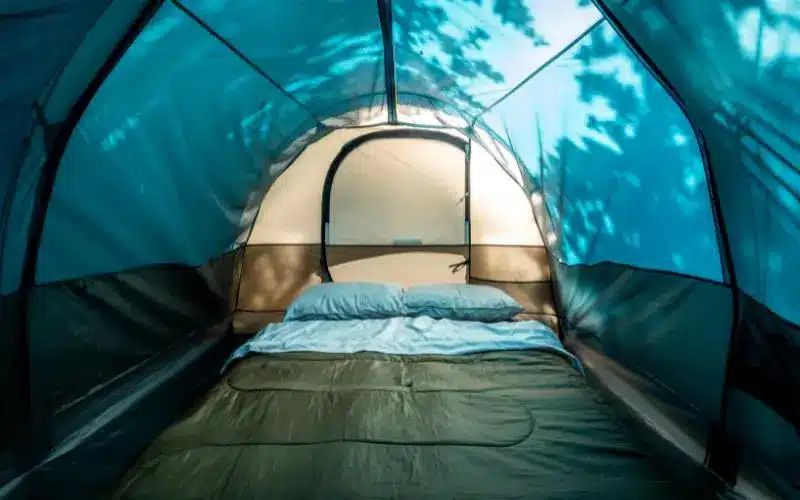
Air beams changed camping completely. No pole confusion. No sleeve fights. These tents use pressurized tubes instead of traditional poles, turning setup from this exhausting ordeal into something faster than brewing coffee.
What you’ll learn: exact steps for pitching in under five minutes, mistakes that waste time, tricks that make you look experienced. Doesn’t matter if this is your first tent or your twentieth—preparation and technique make deployment the easiest part of any trip.
Late arrivals mean racing sunset. Nobody wants fumbling with equipment in darkness with just a headlamp. Quick setup gets your basecamp ready before nightfall, leaving actual time for dinner, organization, relaxation.
Weather doesn’t wait. Clouds roll in. Wind picks up. Suddenly minutes matter. Rapid deployment with air tents can literally keep you dry versus soaked while still figuring out which pole goes where.
Energy conservation matters more than people realize initially. After driving all day or finishing a hike, tent setup shouldn’t exhaust you. Save energy for stuff you came to do—swimming, trails, time with family.
Children don’t have patience for waiting around. A five-minute setup keeps everyone happy instead of cranky. Plus kids can help with the simple process, making it family activity rather than solo frustration.
Missing one thing derails everything.
Your tent and all components. Check for main canopy, flysheet if separate, valve caps, clips. Most air beam tents arrive as one piece, but verify before leaving.
Ground sheet or footprint protector extends tent life dramatically. This waterproof layer stops punctures, blocks moisture, prevents wear. Size matters—match tent dimensions exactly. Never let it extend past tent edges or rain collects underneath.
Tent stakes. Figure 8-12 pegs minimum. Heavy-duty metal stakes for hard ground. Longer stakes—9 to 12 inches—hold better in soft soil or sand. Pack extras. Bent stakes happen.
Guy lines and tensioners. These cords anchor against wind. Quality tensioners adjust tightness without knots. REI explains guy lines if yours didn’t include them.
Mallet or hammer. Your shoe might work on soft ground maybe. Actual tools drive stakes faster, straighter. Rubber mallets won’t bend metal pegs.
Pump choice directly impacts speed.
Electric pumps come in two types. Battery-powered run on D-cells or proprietary packs. Rechargeable with lithium batteries cost more upfront but save money long-term. OutdoorGearLab reviews camping pumps for comparisons.
Manual pumps work as backups. Foot pumps deliver more air per stroke with less effort than hand models. Dual-action pumps inflate on both up and down strokes, cutting time significantly.
Backup pumps aren’t paranoia—they’re smart. Carry compact manual pump even using electric primarily. Batteries die. Electronics fail. Lightweight foot pump means never stranded with deflated tent.
Why pump selection affects setup time is simple math. Electric pump inflates most tents in 90-120 seconds. Standard hand pump? Five to eight minutes constant pumping. That difference matters when weather turns or you’re exhausted.
Camping tarp provides extra ground protection or covered porch area.
Work gloves protect hands when hammering into hard ground. Also prevent blisters during extended manual pumping.
Headlamp becomes necessary faster than expected. Even arriving in daylight, setup often extends into dusk. Headlamps keep hands free.
Repair kit sits unused most trips but becomes critical when needed. Simple patch kit for beams and seam sealer for fabric fixes problems before they ruin everything.
Don’t attempt first inflation at campsite.
Trial runs at home save massive time. Your backyard works perfectly. You’ll discover model quirks, find missing components, build muscle memory. First practice might take fifteen minutes. Third one? Five minutes easy.
Getting familiar with valve locations prevents fumbling during real setup. Some tents have multiple inflation points. Others use single valve feeding all beams. Know which valves inflate which sections.
Understanding your specific model means reading the manual thoroughly. Manufacturers include model-specific tips generic guides miss. Note unusual features, recommended pressure levels, sequential inflation requirements.
Disorganization kills speed faster than anything.
Packing strategy puts frequently needed items on top. Pump should be immediately accessible, not buried under sleeping bags. Pack groundsheet separately for quick grab.
Keeping components together prevents the “where’s the stake bag?” panic. Use dedicated mesh bag for everything tent-related: stakes, guy lines, tensioners, valve caps, repair kit. When everything has one home, nothing gets lost.
Pre-checking all items before departure takes five minutes but prevents disasters. Lay out every component the night before. Count stakes. Test pump. Check valve caps. Replace anything damaged or missing.
Location determines everything.
Scanning for level ground comes first. Walk slowly, feeling for slopes with your feet. Even slight inclines cause uncomfortable sleeping and stress guy lines unevenly. Truly flat spots are rare—find the flattest available.
Identifying hazards means looking down and up. Rocks and roots puncture groundsheets, create uncomfortable lumps. Overhead, check for dead branches—widowmakers—that fall during storms. Avoid depressions where water pools.
Checking drainage patterns saves midnight floods. Look for slight channels where vegetation changes—these show water flow during rain. Position tent on elevated ground when possible.
Sun exposure affects comfort dramatically. Morning sun warms tents quickly—great for cold weather, miserable in summer. Evening shade provides afternoon relief. Balance needs against season.
Quick sweep with foot or hand removes debris. Clear sticks, sharp stones, pinecones, anything that punctures or creates pressure points. Don’t obsess over tiny pebbles—just eliminate obvious hazards.
Create clean footprint space extending several inches beyond tent. Extra clearance prevents guy lines snagging, provides room for stakes at proper angles.
Use feet to level minor bumps or fill small depressions with loose soil or needles. You’re not landscaping—just creating reasonably smooth surface.
Door orientation depends on priorities. Face away from prevailing winds so they don’t blow open. Position toward morning sun for warming, or away for sleeping late.
Wind assessment requires attention. Feel which direction wind comes from. Notice tree bending. Position tent so wind hits narrow end rather than broadside—reduces airframe pressure, improves stability.
Distance from trees involves trade-offs. Too close means falling branches or sap. Too far means no windbreak or shade. Aim for 10-15 feet from large trees.
Space for guy lines gets forgotten until mid-setup. Ensure clear ground extending 3-4 feet from each corner and along sides for proper staking angles.
Foundation matters. Unfold footprint completely where tent will sit, smoothing wrinkles. Orient labeled edges according to door placement plan. Footprint should match tent floor exactly. Too small means floor touches ground. Too large channels rain underneath. Place rock on each corner if windy to prevent shifting.
Remove gently from storage bag. Don’t yank. Shake bundle out as removing. Identify front and back using doors, windows, logo placement. Color-coded corners often mark positions. Get this right now—rotating partially inflated tent wastes time.
Spread tent flat on ground sheet, eliminating wrinkles. Walk perimeter pulling fabric smooth. Ensure corners reach corresponding footprint corners. Air beams should lie flat without kinks. Locate all inflation valves now. Open valve caps and stick them in shirt pocket.
Match pump nozzle to tent valve opening. Many pumps include multiple adapters. Choose one fitting snugly without forcing. Vango shows common valve types if confused.
Proper attachment requires firm push, sometimes twist-lock. Feel adapter seat completely. Loose connection leaks air—you’ll pump forever without pressure. Give gentle tug. Shouldn’t pull free easily. If does, reseat properly.
Sequential order typically means main structural beams before smaller supporting ones. Check manual—some specify order, others don’t matter. When uncertain, inflate tallest beams first.
Monitor pressure by watching and feeling. Beams firm quickly with electric pumps. You’ll see tent rise from flat to three-dimensional in seconds. It’s weirdly satisfying.
Recognizing full inflation combines visual and tactile feedback. Properly inflated beams feel firm when pressed but not rock-hard. Fabric should be taut without strain. Most beams reach optimal around 6-7 PSI though this varies. Over-inflating damages seams. Under-inflating compromises stability.
Run hand along each beam—should feel uniformly firm end to end. Soft spots indicate incomplete inflation or leaks.
After removing pump, immediately close each valve firmly. Most use twist-and-press cap design. Should hear or feel click shut. Loose caps allow overnight deflation.
Start with one corner, then diagonally opposite corner. Pull tent gently taut before driving stakes. This creates proper tension as foundation.
Proper angle: 45 degrees away from tent, driven until only 1-2 inches remain above ground. This angle maximizes holding power. Vertical stakes pull out easily.
Work systematically around perimeter. Don’t randomly jump around—systematic placement maintains even tension. Most inflatable tents need 8-12 stakes total.
Quick hammering uses controlled, firm strikes. Position stake, tap to set direction, drive home with solid hits. Rubber mallets prevent bent stakes.
Attach guy lines from tent to stakes positioned several feet away. Pre-attached lines just need staking. Loose ones require clipping to designated loops first. Each line should extend at roughly 45 degrees from attachment.
Adjust tension using sliding tensioners. Pull taut but not excessively tight. Tent should feel stable without fabric strain. High wind needs slightly more tension.
Final walk-around catches problems. Circle tent checking stake security, guy line tension, door zippers. Verify all valves sealed. Look for sagging or uneven inflation.
Quick fixes address small problems now. Loose stake? Drive deeper or reposition. Wrinkled fabric? Adjust nearest stakes. Low beam? Add few pumps. Handle these now—harder later.
Proper staking transforms decent setup into bombproof shelter.
Angle and depth guidelines: 45-degree angle, 6-8 inches deep for most conditions. Rocky ground might only accept 4 inches. Soft sand needs 10+ inches. Angle always points away from tent.
Different ground types require adapted techniques. Grass or soft soil uses standard stakes driven at 45 degrees. Sand needs longer stakes—12+ inches—or sand anchors. Hard ground requires metal stakes with hammer. Rocky ground means seeking soil pockets between rocks.
Number of stakes depends on tent size and conditions. Minimum one per corner plus guy line anchors—typically 8-10 total. Windy conditions add mid-panel stakes wherever attachment points exist.
Guy lines separate adequate shelter from storm-worthy protection.
Essential attachment points typically include four corners plus midpoints on longer walls. Dome-style tents might have 6-8 guy points. Tunnel designs often need 4-6. Use every attachment in exposed or windy locations.
Proper tension without over-tightening requires judgment. Taut lines stabilize. Overtightened lines stress fabric and airframe. Properly tensioned guy line produces low hum when plucked like guitar string—not high ping.
Optimal angles mean positioning stakes 3-4 feet from tent at roughly 45 degrees from attachment points. This provides maximum resistance to vertical uplift and horizontal pull.
Don’t assume everything’s perfect.
Quick shake test reveals problems immediately. Grab main beam, give firm push-pull. Whole tent should move as unit without excessive flex. Individual beam movement suggests loose stakes or inadequate guy tension.
Step back for full view. Canopy should maintain designed shape—curves where intended, flat panels where appropriate. Sagging indicates under-inflation or poor stake placement. Bulging suggests over-inflation.
Walk perimeter again checking every stake, guy line, valve. Jiggle stakes ensuring firm in ground. Tug guy lines gently testing them. Press valve caps confirming sealed. This two-minute check prevents midnight emergencies.
Pressure matters more than expected.
Signs of too much inflation include drums-tight beams, strained seams, difficulty closing valve caps. Fabric stretches visibly. Beams feel rock-hard rather than firmly resilient. Some tents include pressure indicators changing color when optimal pressure’s reached.
Insufficient pressure shows as sagging canopy, bent or misshapen beams, reduced wind resistance. Tent might stand but lacks structural integrity. Doors may not close properly. Fabric wrinkles appear where should be smooth.
Correcting mistakes depends on problem. Over-inflated? Open valves briefly releasing excess pressure. Check every few seconds by feel. Under-inflated? Reconnect pump, add more air. Always aim for firm-but-not-rigid feel.
Most tents specify optimal PSI. Common range sits between 5-8 PSI. Higher doesn’t mean better—it means stress and potential failure. Check manual or Coleman’s tent care guidelines for advice.
Valves seem simple until messed up.
Mixing inlet and outlet valves happens often. Some tents have separate valves for inflation versus deflation. Using wrong one wastes time—pumping air that immediately escapes through deflation valve. Inlet valves typically have one-way mechanisms. Deflation valves are simple openings with caps.
Not sealing valves completely causes slow overnight deflation. You’ll wake to saggy tent wondering what happened. After inflation, press caps firmly until seat completely. Many use O-ring seals requiring full compression to work.
Cross-threading valve caps damages threads, creates leaks. If cap doesn’t screw smoothly, back out and try again. Never force. Most caps have 2-3 thread rotations—shouldn’t require excessive turning.
Label valves with colored tape if tent doesn’t mark them clearly. Keep caps attached by tethers. Never force anything. When uncertain, consult manual’s valve diagram.
Wrong location compounds every challenge.
Uneven ground worsens overnight. That slight slope dismissed? You’ll spend night sliding downhill. Those small bumps? They’ll feel like boulders by morning. Minor inconveniences become major discomforts after eight hours.
Water pooling turns campsites into disaster zones. Rain reveals drainage patterns. That innocent flat spot might be natural collection point for runoff. Always imagine heavy rain hitting site—where would water flow?
Wind exposure stresses every component. Camping on ridge or exposed meadow subjects tent to sustained pressure. Air beams handle wind well, but why test limits? Seek natural windbreaks—terrain features, vegetation, other tents.
Murphy’s Law applies strongly to camping.
Most commonly forgotten: stake bag left in garage, pump batteries or charger, guy lines if not pre-attached, valve caps fallen in grass, mallet assumed in car but actually on workbench.
Create pre-departure checklist eliminating these problems. Laminate printed list keeping with camping gear. Check off each item while packing. Digital versions work too—several camping apps include customizable checklists.
Quick workarounds require creativity. Forgot stakes? Use large rocks or fill stuff sacks with sand or dirt. No mallet? Substantial rock works. Missing guy lines? Paracord from emergency kit substitutes. Lost valve cap? Duct tape creates temporary seal.
Champions practice. You should too.
Multiple practice runs extend beyond speed improvements. You’ll discover tent quirks, identify confusing instructions, develop smooth workflows. First practice: 15 minutes. Second: 10 minutes. Third: 5 minutes or less. Each session builds confidence and muscle memory.
Time yourself tracking improvement. Use phone stopwatch. Start when grabbing footprint, stop when final stake’s driven. Record times. Watch them drop. Challenge yourself beating previous records.
Involve family members distributing knowledge and workload. Kids can unpack, position stakes, watch pump. Partners divide tasks—one inflates while other stakes. Practice together at home translates to teamwork at camp.
Systems save time.
Color-code components using visual cues for instant identification. Red stuff sack for stakes, blue for guy lines, yellow for pump. You’ll grab right bag without reading labels.
Mesh bags for small items prevent losses, enable quick counts. See-through mesh verifies contents without opening. Separate bags for different types keeps everything organized.
Label storage bags with permanent marker removing guesswork. “TENT STAKES – 12 INCLUDED” tells exactly what’s inside and whether everything’s accounted for.
Quick-access packing positions frequently-needed items where you’ll grab first. Pack camping bin strategically: groundsheet on top, tent bag next, stakes and pump immediately accessible. Sleeping gear goes deeper—won’t need until after setup.
Technology speeds things up.
Time savings with powered inflation are dramatic. Electric pumps deliver high volume rapidly—inflating family-sized tent in 90-120 seconds versus 5-8 minutes manually. That difference matters when exhausted or weather’s threatening.
Battery life affects reliability. Quality rechargeable pumps inflate 3-5 tents per charge. Disposable battery models drain quickly—carry extras. Check charge levels before departure. Many campers charge pumps in vehicles during travel.
Solar charging for extended trips maintains functionality without grid access. Portable solar panels charge pump batteries during daylight. Goal Zero has solar guide explaining options.
Manual pumps are better when weight matters like backpacking, electronics might fail in extreme cold, noise concerns exist at quiet campgrounds, you enjoy physical activity, or multi-day backcountry trips make battery charging impractical.
Prevention beats repair.
Regular cleaning after each trip extends equipment life. Wipe dirt from tent before packing. Brush debris from valves. Inspect beams for wear. Clean pump filters. Quick maintenance prevents future problems.
Check wear at high-stress points: corners, valve areas, guy line loops, groundsheet edges. Small issues caught early—loose stitching, minor abrasions—can be repaired before becoming failures.
Valve maintenance keeps inflation systems working. Occasionally apply silicone lubricant to valve O-rings—check manual first. Keep threads clean. Replace damaged caps immediately.
Proper storage between trips protects investment. Store tents loosely in dry locations—never compressed long-term. Hang them or use oversized storage bags. Keep pumps in moderate temperatures. Extreme heat or cold damages batteries and seals.
Always dry tent completely before storage—mildew ruins fabric fast. Avoid unnecessary stress on beams by not over-inflating. Follow manufacturer guidelines. Quality tents last 5-10 years with proper care.
Common causes: valve not fully open, pump connection leak, beam leak, wrong valve, insufficient pump pressure.
Check for leaks by inflating beam, closing valves, then listening while running hands along entire length. Hissing indicates leaks. For silent leaks, mix dish soap with water in spray bottle applying to suspected areas—bubbles form at leak points.
Some valves have internal mechanisms requiring manual opening before inflation works. Consult manual for model-specific procedures. Occasionally debris blocks valves—quick cleaning resolves this.
Quick diagnostic: check power source—batteries installed correctly, charged? Verify pump switch in correct position. Listen for motor sound—motor runs but no air? Check adapter connection. Test with different valve—maybe valve’s broken, not pump.
Switch to backup pump if brought one. Manual pumps take longer but get job done.
Manual inflation as emergency works even without proper pump. You can blow air directly into valves—exhausting but functional for small tents. For larger tents, improvise with inflatable mattress pumps or vehicle tire inflators carefully.
Reassess ground conditions. Has ground shifted? Are stakes loosening in soft soil? Did wind direction change?
Additional staking points increase stability. Most tents have extra loops you might’ve ignored. Use them. Add stakes at mid-panel points or anywhere fabric seems unsupported.
Guy line adjustments often solve mysterious instability. Walk perimeter checking each line’s tension. Tighten loose ones. Ensure stakes haven’t shifted. Adjust angles if needed.
Modified sequence prioritizes windward corners first. Stake upwind side, then downwind, then sides. This prevents tent becoming sail during setup.
Using wind to assist: position collapsed tent with length perpendicular to wind direction. As you inflate, wind helps stand it up rather than knocking down. Once partially inflated, immediately stake windward side.
Extra precautions include using all available guy lines, adding extra stakes at mid-panel points, increasing guy line tension beyond normal, positioning tent with narrow end facing wind.
Keep interior dry as priority one. Work fast. Have pump ready before unpacking tent. Position tent bag opening downward while removing contents. Set up under natural cover if possible—trees or vehicle tailgate.
Speed prioritization means accepting imperfection temporarily. Get canopy up and flysheet attached before perfecting stake angles. Once covered, make adjustments without rain hitting fabric.
Post-setup weatherproofing: check flysheet doesn’t touch inner tent, ensure all vents can close, verify groundsheet doesn’t extend beyond tent edges, dig small drainage trenches if camping on slope.
Cold air contracts. Warm air expands. Tent inflated during hot afternoon loses pressure overnight when temperatures drop. Morning inflation might become over-pressurized by afternoon heat.
Hot weather demands maximum airflow—open all vents, position doors catching breezes. Cold weather requires opposite—close vents retaining warmth but leave small gaps preventing condensation.
Prevent condensation by maintaining slight ventilation even when cold, using tent with good airflow design, wiping interior walls before bed, storing wet items in vehicle not tent, ensuring flysheet has adequate air gap from inner tent.
Traditional dome tents take experienced campers 10-15 minutes. Beginners need 20-30 minutes. Inflatable tents consistently clock 3-5 minutes regardless of experience. That’s roughly 70-80% time reduction.
Skill level heavily influences traditional tent success. Threading poles through sleeves, identifying which poles go where, connecting hubs—all require knowledge and practice. Air tents eliminate these complexities. If you can operate pump, you can set up inflatable tent.
Traditional pole tents typically weigh less—important for backpacking. They’re often cheaper. Repairs are simpler. But for car camping, family trips, festival use? Inflatable tents dominate.
That 20 minutes not spent fighting poles? Use it exploring area, starting fire, preparing actual meal, or simply relaxing watching sunset. Time is camping’s most valuable currency.
Setting up camp amenities faster becomes possible when tent deployment isn’t exhausting. You’ll have energy for organizing sleeping area, inflating mattresses, arranging furniture, establishing kitchen.
Enjoying more outdoor activities is why you’re camping. Hiking that trail before dark? Achievable. Swimming while there’s still sun? Absolutely. Playing games with kids instead of rushing through setup? That’s the goal.
Reducing stress improves entire experience. Stress comes from uncertainty and struggle. When tent setup is quick and reliable, anxiety disappears. You’ll arrive confident rather than worried. That mental shift enhances everything following.
You now have everything needed to set up your inflatable tent in under five minutes.
The process breaks down simply: prepare properly at home, choose site wisely, follow six-step sequence systematically, avoid common mistakes. Practice transforms conscious tasks into automatic movements. First attempt might take eight minutes. Fifth? Three minutes easily.
Preparation and practice separate struggling campers from confident ones. Spend an hour practicing in backyard. Organize gear thoughtfully. Check equipment before every trip. These habits eliminate problems before occurring.
First-timers should feel encouraged, not intimidated. Air beam technology was designed specifically to simplify camping. Manufacturers engineered these tents for ease of use. If you can inflate air mattress, you can pitch inflatable tent. Trust the process.
Get outdoors faster. Life’s too short spending it wrestling tent poles. The whole point of camping is enjoying nature, connecting with family, escaping daily stress. Every minute saved during setup is another minute spent actually living. Your inflatable tent makes that possible.
Now grab your gear and head out. That campsite is waiting. Those stars won’t watch themselves. Thanks to your new setup skills, you’ll be relaxing under them while others are still reading pole diagrams.
Happy camping.